
Silver has quietly moved from playing Gold’s side role to becoming a lead character in 2025—and 2026 could be even more dramatic for Indian investors. A rare combination of supply shortage, clean-energy demand, and financial uncertainty has turned this “industrial cousin of gold” into one of the most talked-about assets in the market. But the same forces that can send prices soaring can also make them crash brutally in the short term.
Till a few years ago, silver mostly moved in the shadow of gold, reacting to inflation fears, interest rates, and geopolitical tensions. In 2025, that script changed: silver’s gains far outpaced gold as its own industrial fundamentals started driving the price.
Global data shows that silver has now run a structural supply deficit for at least five straight years, with demand consistently outpacing mine supply and inventories steadily getting depleted. London Bullion Market Association (LBMA) vaults, a key barometer of physical availability, have seen holdings fall significantly in recent years, reflecting tightness in the market even as prices moved to record or near-record highs.
For Indian readers, this is not just a global story. India has emerged as one of the largest silver consumers in the world, with imports nearly doubling at times in 2025 despite already high prices, thanks to both industrial usage and investment demand through coins, jewellery, and ETFs.
On paper, high prices should attract more production, but silver is not like iron ore or aluminium where you can quickly expand capacity. Roughly 70% of the world’s silver is produced as a by-product of mining other metals like lead, zinc, copper, and sometimes gold—so miners make production decisions based on those primary metals, not silver prices alone.
Think of it like a bakery that mainly sells bread. The bread is zinc or copper; the crumbs are silver. Even if customers suddenly start bidding crazy prices for crumbs, the baker will not bake unlimited loaves unless people are also ready to buy the bread itself. The result is what economists call inelastic supply: even a big jump in demand and price does not lead to a quick jump in output.
At the same time, visible inventories have been drained by years of deficits. Industry analyses suggest that cumulative shortages over the last few years add up to a large chunk of annual global production, forcing the market to pull more and more metal out of vaults in London and on exchanges like Comex. This is why rumours or reality of export curbs, logistics issues, or short squeezes now trigger outsized price moves—there simply is not as much “buffer” metal lying idle anymore.
What makes this silver cycle different from the spikes of the 1970s or 2011 is that the demand is not just speculative; it is increasingly embedded in critical technologies.
Silver is the most electrically conductive metal, which makes it essential in:
The Silver Institute and various commodity analysts expect silver demand from solar alone to keep rising sharply this decade, with newer technologies like TOPCon and other high-efficiency panels requiring up to 50% more silver per panel than older designs. Industrial usage now accounts for over half of total silver demand, which means price is increasingly tied to the clean-energy and digital economy rather than only to “fear trade” investment flows.
For India, this is doubly important. The country is ramping up solar capacity, EV adoption, and electronics manufacturing, all of which lean on imported silver, at a time when the rupee’s weakness can magnify global price moves on MCX.
Different global houses and market commentators now describe silver as a “high-volatility, high-conviction” asset for the rest of this decade. After an explosive 2025—where some estimates place gains north of 130–170%—many forecasts still see room for further upside in 2026, though from already-elevated levels.
Main threads running through most 2026 outlooks are:
However, the same reports also stress that silver’s day-to-day and month-to-month price action can be brutal. Historically, silver has moved several times more than gold on both up and down days, and sharp 15–25% corrections within a strong long-term uptrend are common rather than exceptional. For an Indian investor watching MCX futures or ETF prices, this means mark-to-market pain is not a bug—it is a core feature of the asset.
For Indian retail investors, silver should be treated as a tactical satellite allocation, not as the core of the portfolio. Gold still plays the primary role as a store of value and hedge against currency, inflation, and crises; silver is a more aggressive, industrially driven bet that can outperform in booms and underperform in slowdowns.
Many wealth managers and research pieces suggest:
The strategy that aligns best with silver’s nature is disciplined accumulation rather than all-in bets. Because pullbacks of 10–20% are common, buying on dips—through staggered purchases or SIP-style plans in silver ETFs or fund-of-funds—helps average out volatility and reduces the risk of entering right at an intermediate top.
For Indian investors, silver ETFs stand out as a practical vehicle. They are SEBI-regulated, backed by physical silver, and spare investors the hassles of storage, purity checks, and wide making charges that come with jewellery or small bars. Key filters to watch are:
One drawback is that ETFs trade only during Indian market hours, while the global silver market is active much longer, especially during US time, when many major moves occur. Serious traders who want to benefit from intraday volatility may prefer futures, but those come with leverage risk and are unsuitable for most long-term retail investors.
For Indian savers used to the slow-and-steady comfort of fixed deposits and traditional gold, silver in 2026 is like an energetic but unpredictable guest at the investment table. Done right, a small, well-planned allocation can benefit from structural supply tightness and long-term demand from EVs, solar, and AI-linked technologies. Done wrong—by chasing rallies, overloading the portfolio, or panicking in corrections—it can leave painful scars.
The sensible path is clear: treat silver as a long-term, high-risk satellite asset, use ETFs and SIP-style accumulation, keep position sizes modest, and prepare emotionally for big swings on the way to any potential multi-year upside. Over the next few quarters, Indian investors should watch three things closely: global industrial data (especially solar and EV), signs of easing or worsening supply deficits, and the rupee’s moves against the dollar—which together will decide whether this silver story keeps shining or turns sharply grey.
Primary Keyword: Silver investment 2026
Secondary Keywords: silver price outlook 2026, silver supply deficit, silver industrial demand EV solar, silver vs gold investment, silver ETFs India, SEBI silver ETF, silver volatility risk, silver price India MCX, silver long term investment, silver for Indian investors, de-dollarisation and silver, silver demand in India
File Name: silver-investment-2026-structural-shift-or-dangerous-rally.html
Image File Name: silver-investment-2026-structural-shift.jpg
Image Alt Text: Silver investment 2026 structural shift and price outlook
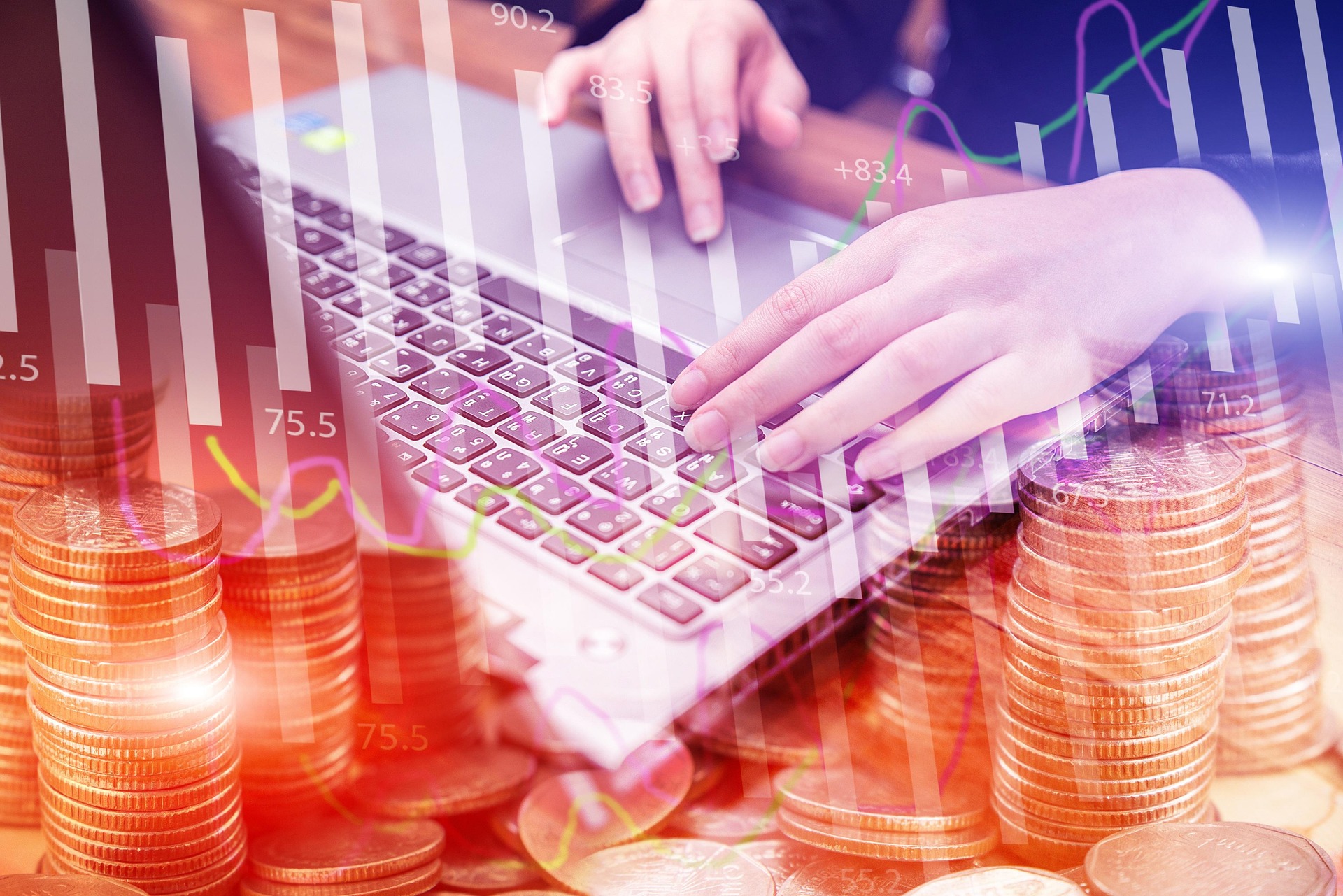
Image Caption: Silver’s 2026 outlook is shaped by tight supply, booming industrial demand, and sharp price swings.
Image Suggestion: A clean visual showing a rising silver price chart overlaid with icons of solar panels, EVs, and circuit boards, with a small India map or rupee symbol to anchor the local context.